
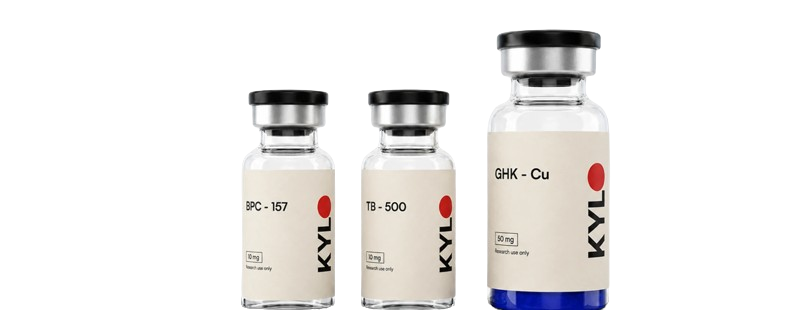

BPC-157, a peptide composed of 15 amino acids, has garnered significant attention in the realm of musculoskeletal health and healing. Derived from human gastric juice, this compound is known for its remarkable regenerative properties. As reviewed by Musculoskeletal Key, BPC-157 offers several key benefits that have implications for both clinical practice and athletic recovery.
One of the most notable takeaways from the review is BPC-157’s ability to accelerate wound healing. This peptide enhances angiogenesis—the formation of new blood vessels—which is crucial in supplying nutrients BPC-157 guide by Musculoskeletal Key and oxygen to damaged tissues. By promoting vascular growth, BPC-157 facilitates faster repair and regeneration of injured tissues, which can be particularly beneficial for athletes recovering from injuries or surgeries.
Moreover, BPC-157 exhibits protective effects on various organs and tissues beyond muscle and bone. It has been shown to counteract damage in the gastrointestinal tract by maintaining mucosal integrity and reducing inflammation. This property not only aids individuals with digestive disorders but also supports overall gut health—a critical component often overlooked in musculoskeletal recovery.
The anti-inflammatory properties of BPC-157 are another highlight emphasized by Musculoskeletal Key. Inflammation is a natural response to injury; however, excessive inflammation can impede healing processes and prolong recovery times. By modulating inflammatory responses, BPC-157 helps create an optimal environment for tissue repair while minimizing pain and discomfort associated with swelling.
In addition to its reparative capabilities, BPC-157 may enhance tendon-to-bone healing—an area that poses challenges due to limited blood supply at these junctions. The peptide’s role in improving collagen synthesis further underscores its potential as a therapeutic agent for conditions like tendinopathy or ligament injuries.
Neurological benefits also form part of the discussion around BPC-157’s efficacy. Research indicates that it might offer neuroprotective effects by supporting neural regeneration following trauma or injury. Such attributes could extend its applicability beyond musculoskeletal concerns into broader areas involving nervous system health.
Despite these promising findings reviewed by Musculoskeletal Key, it’s important to approach BPC-157 with caution due to limited clinical trials conducted on humans thus far. Most studies have been preclinical or animal-based; hence more research is needed before definitive conclusions about safety profiles can be drawn.
Furthermore, regulatory approval remains pending across many regions worldwide since peptides like BPC-157 fall under complex classifications within pharmaceutical guidelines—often straddling lines between supplements and drugs depending upon jurisdictional interpretations.